

Changing Seasons, Changing Landscape Priorities

The Fall Transition:
Managing Commercial Landscapes in September
September brings a noticeable change to commercial landscapes. As summer heat begins to ease and temperatures gradually cool, landscape priorities start to shift as well.
The focus moves from managing peak summer growth to supporting turf recovery, transitioning planting beds and preparing properties for the months ahead.
Here’s a look at some of the work that becomes more important as summer gives way to fall.

Turf Recovery and
Fall Renovation
Summer can be hard on turf. Heat, foot traffic and periods of dry weather can leave turf stressed or thin as the season winds down.
Fall provides an important opportunity to help turf recover. Depending on site conditions, this may include:
Aeration to relieve compaction and improve the movement of air, water and nutrients through the soil
Overseeding to improve turf density and address thin or damaged areas
Fall fertilization to support healthy growth and root development
Continued monitoring for weeds, disease, pests and other signs of summer stress
Cooler temperatures and favorable growing conditions make fall an important window for turf renovation and recovery.

Planting Beds Begin
to Transition
The change from summer to fall is also noticeable in planting beds.
Summer annuals begin to fade, while fall color and seasonal plantings bring a different look to commercial properties. Regular bed maintenance continues during this transition, including weed management, removal of declining plant material and keeping beds clean and well-defined.
For properties with perennial or native plantings, September is also part of the natural transition toward dormancy.
Leaf Season is on the Horizon
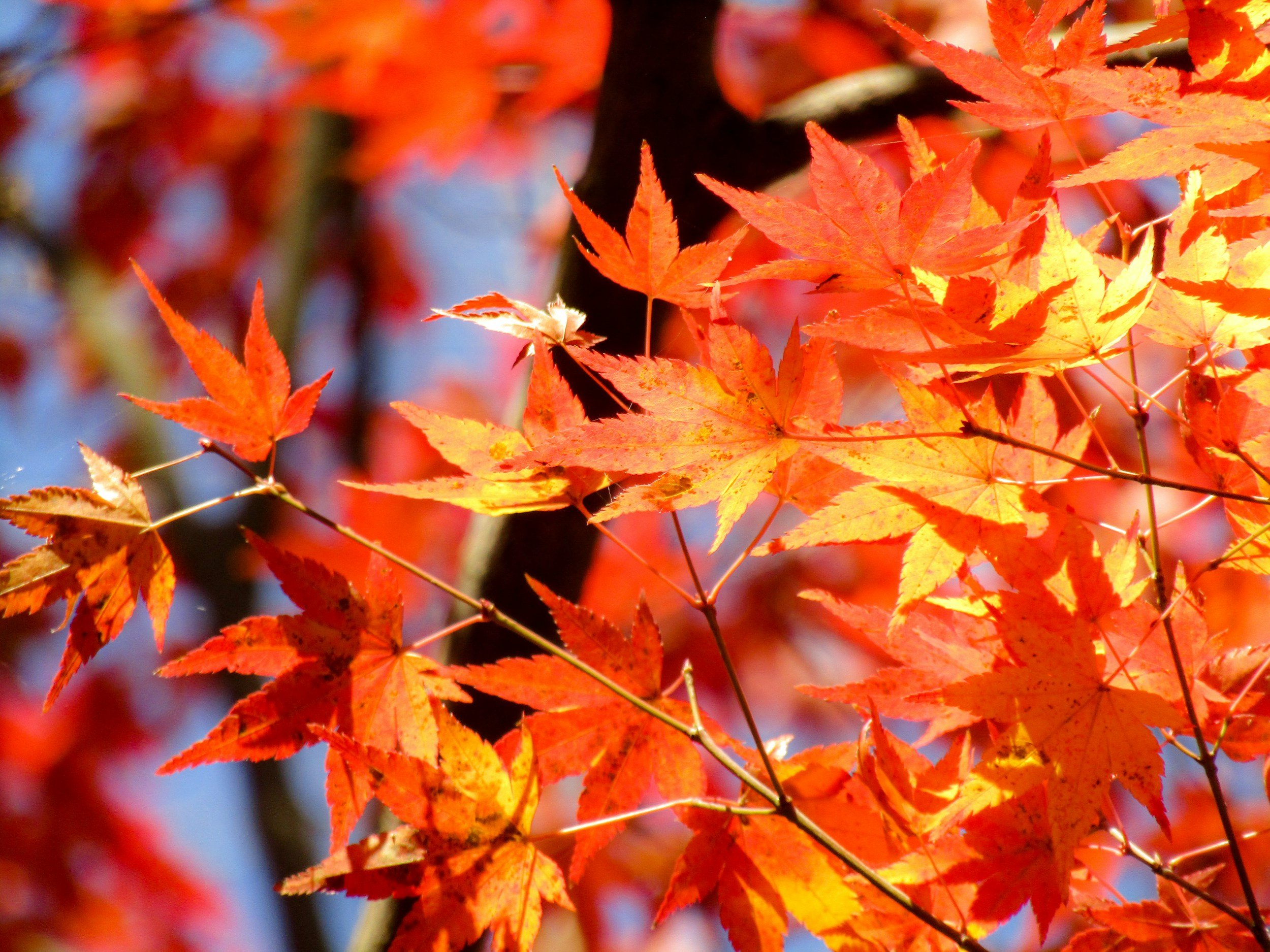
Peak leaf drop may still be ahead, but September is when leaf monitoring becomes more important.
The amount and timing of leaf accumulation varies from property to property. Tree coverage, surrounding vegetation, turf areas, planting beds and hardscape all play a role in how leaves need to be managed.
Getting ahead of changing conditions helps landscape teams prepare for the increased workload that comes with peak leaf season.
Looking Ahead to Winter
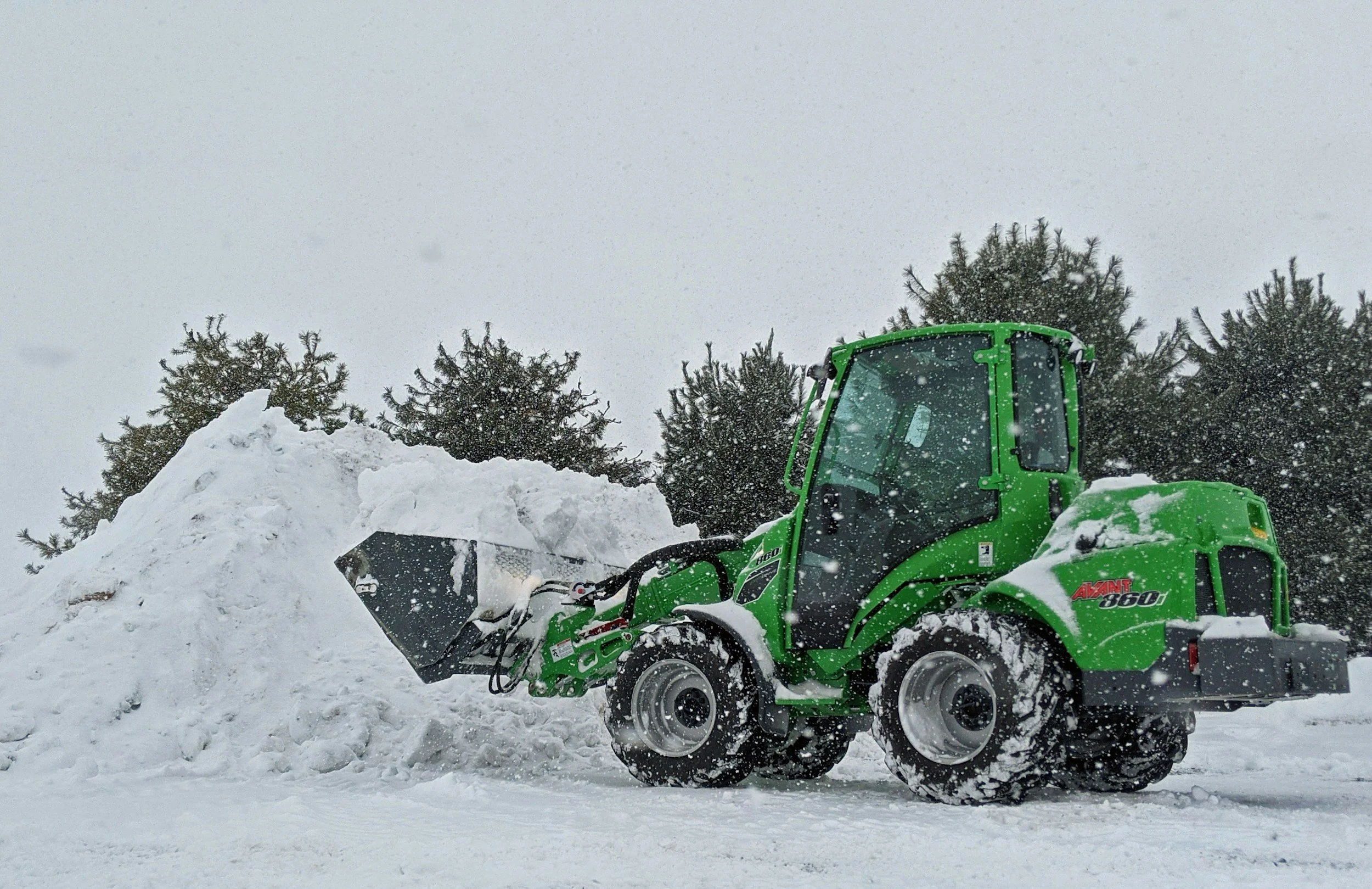
Fall landscape work isn't the only planning that begins in September. Winter operations are also starting to take shape.
Snow management requires preparation before the first storm. Commercial properties have different layouts, access points, traffic patterns and priority areas, so understanding each site is an important part of winter planning.
This preparation can include reviewing snow routes, evaluating equipment and material needs, planning staffing and identifying site-specific challenges.
By the time winter weather arrives, the goal is to have the plan and resources in place.

A Seasonal Shift in Landscape Management
September sits between the demands of summer and the work ahead in fall and winter.
Turf recovery gets underway. Planting beds begin to change. Leaf season approaches. And winter operations move into the planning stage.
The landscape may not look dramatically different yet, but the work happening behind the scenes is already changing.
At Chapel Valley, our teams are adjusting priorities with the season and preparing commercial properties for what comes next.