

5 Often-Overlooked Fall Property Maintenance Issues
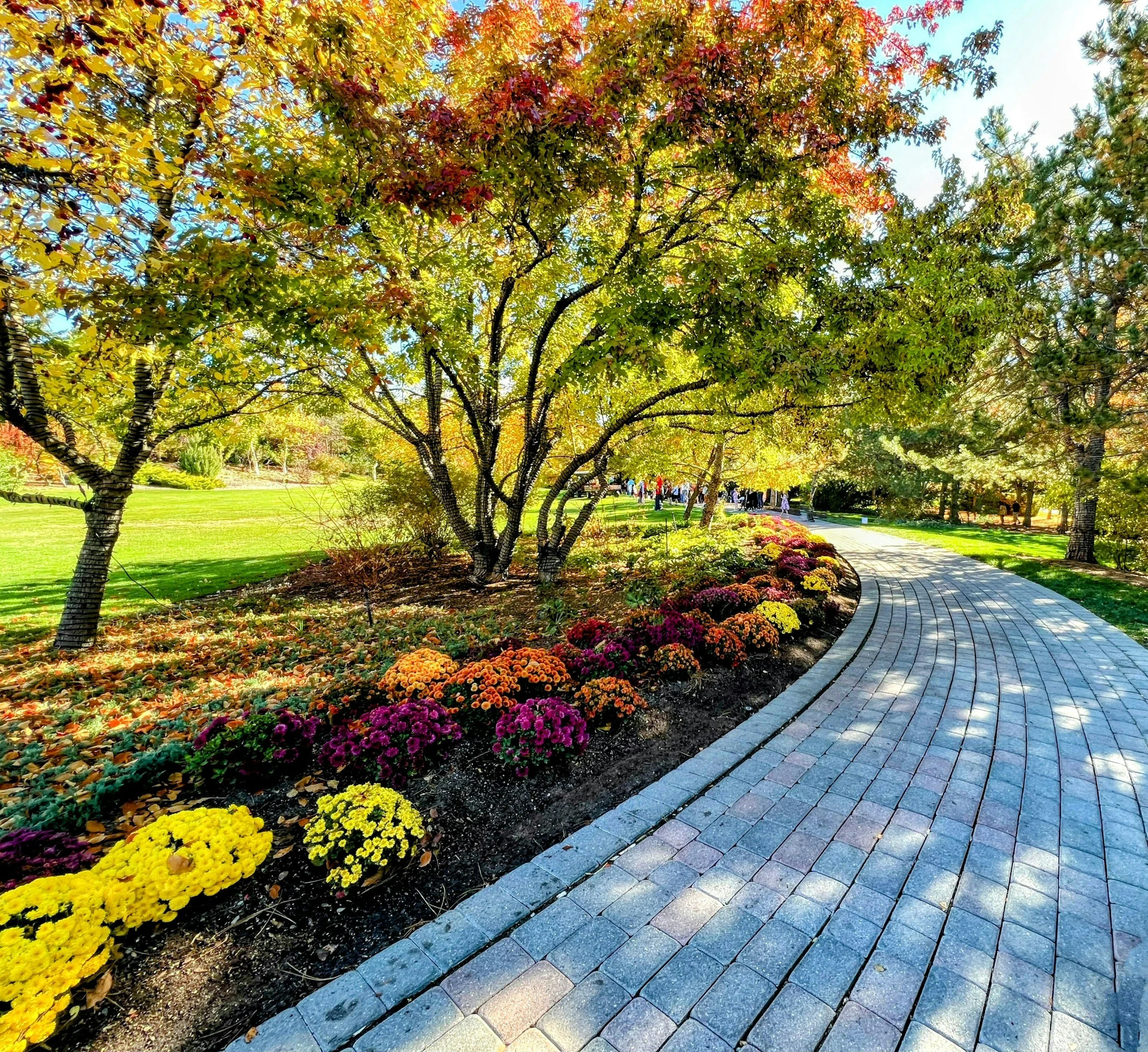
Fall brings changing temperatures, falling leaves, and important maintenance considerations for commercial properties. While routine landscape maintenance helps keep a property looking its best, some of the most important issues aren't always immediately visible.
From drainage concerns to tree health, identifying potential problems early can help property managers protect their assets, address maintenance priorities, and prepare for winter weather.
Here are five areas worth evaluating as part of your fall property maintenance plan.
1. Storm Drains and Drainage Inlets
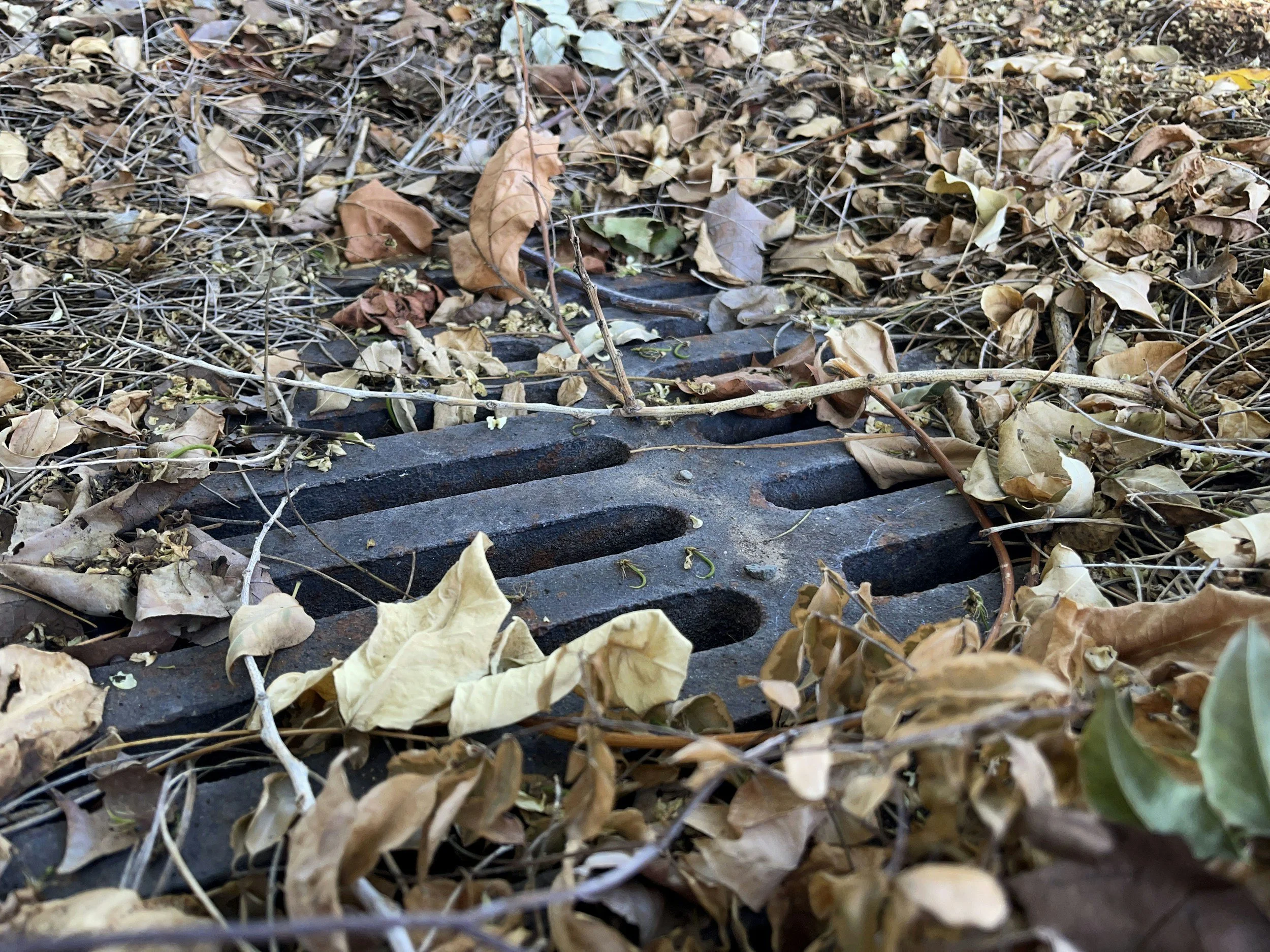
Fallen leaves and debris can accumulate around storm drains and drainage inlets, restricting water flow during rainfall. Blocked drainage features can contribute to standing water and localized flooding.
What to look for: Leaves and debris covering drain grates, buildup inside drainage inlets, and water that isn't draining as expected after rainfall.
Regular inspections and debris removal help keep drainage features clear and make it easier to identify potential issues before the next storm.
2. Tree Health and Hazardous Limbs
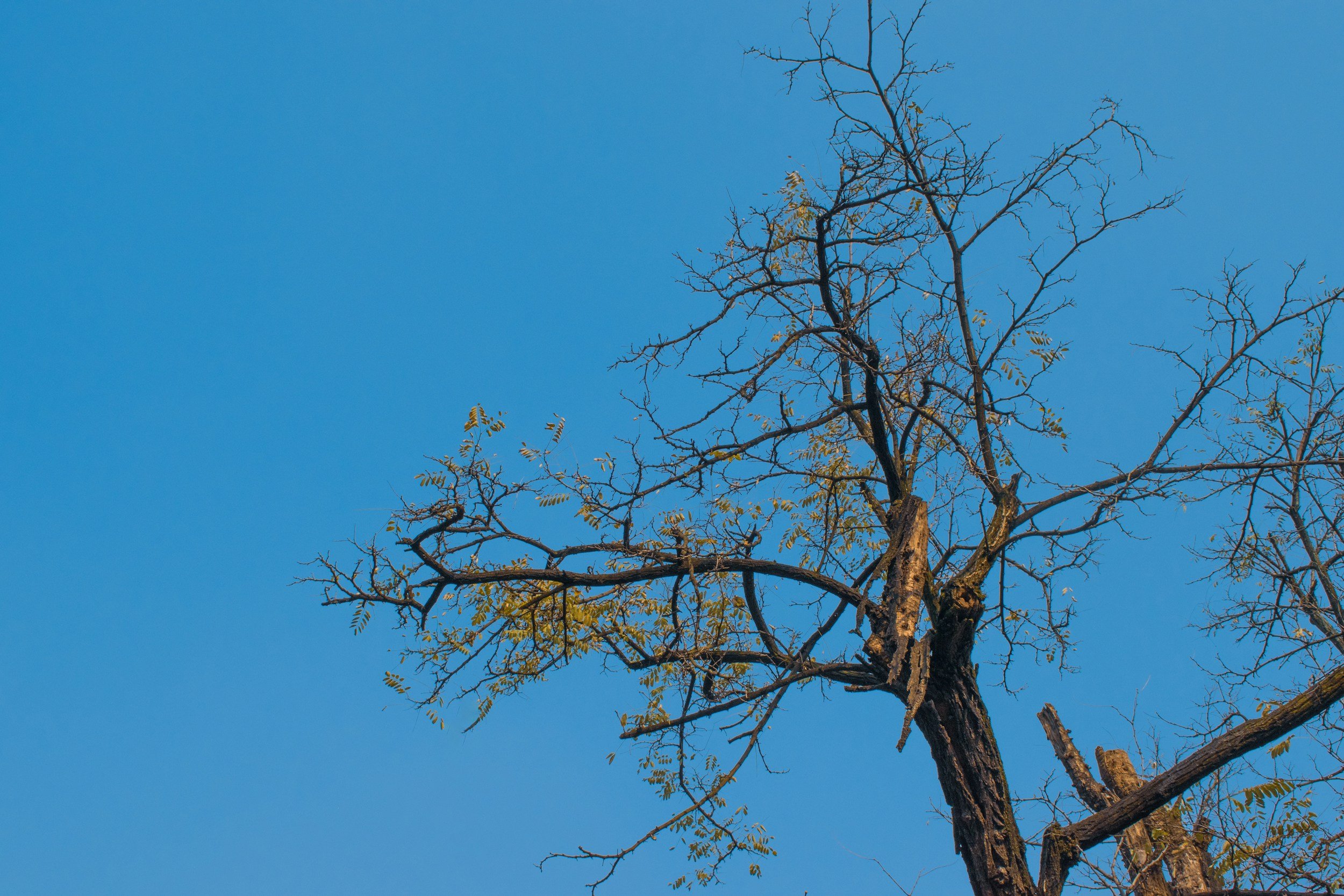
Dead, damaged, or overhanging tree limbs near buildings, parking areas, and pedestrian walkways can create potential safety concerns, particularly during high winds and severe weather.
What to look for: Dead branches, visible damage, hanging limbs, and branches extending over frequently used areas.
Fall is a good time to evaluate tree conditions and determine whether pruning or further assessment by a qualified tree care professional is needed.
3. Drainage Problems and Standing Water
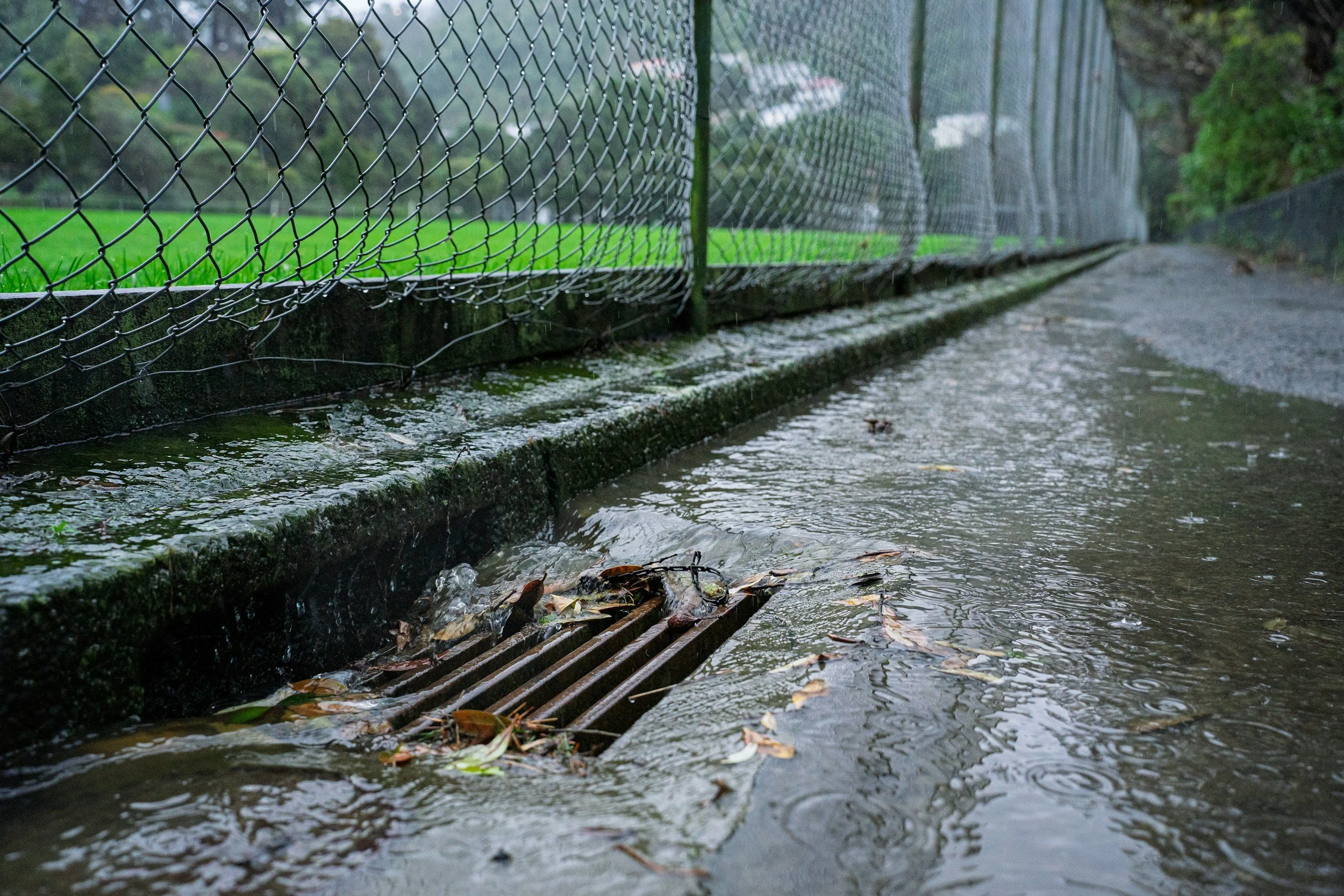
Areas that consistently hold water after rainfall may indicate grading or drainage issues that require attention. As temperatures fluctuate, standing water can also create slippery conditions when it freezes.
What to look for: Persistent puddles, saturated turf, water collecting near buildings, and areas where runoff follows an unusual path.
Identifying drainage concerns early gives property managers time to evaluate potential solutions before winter weather adds another layer of complexity
4. Leaf Accumulation Beyond the Lawn
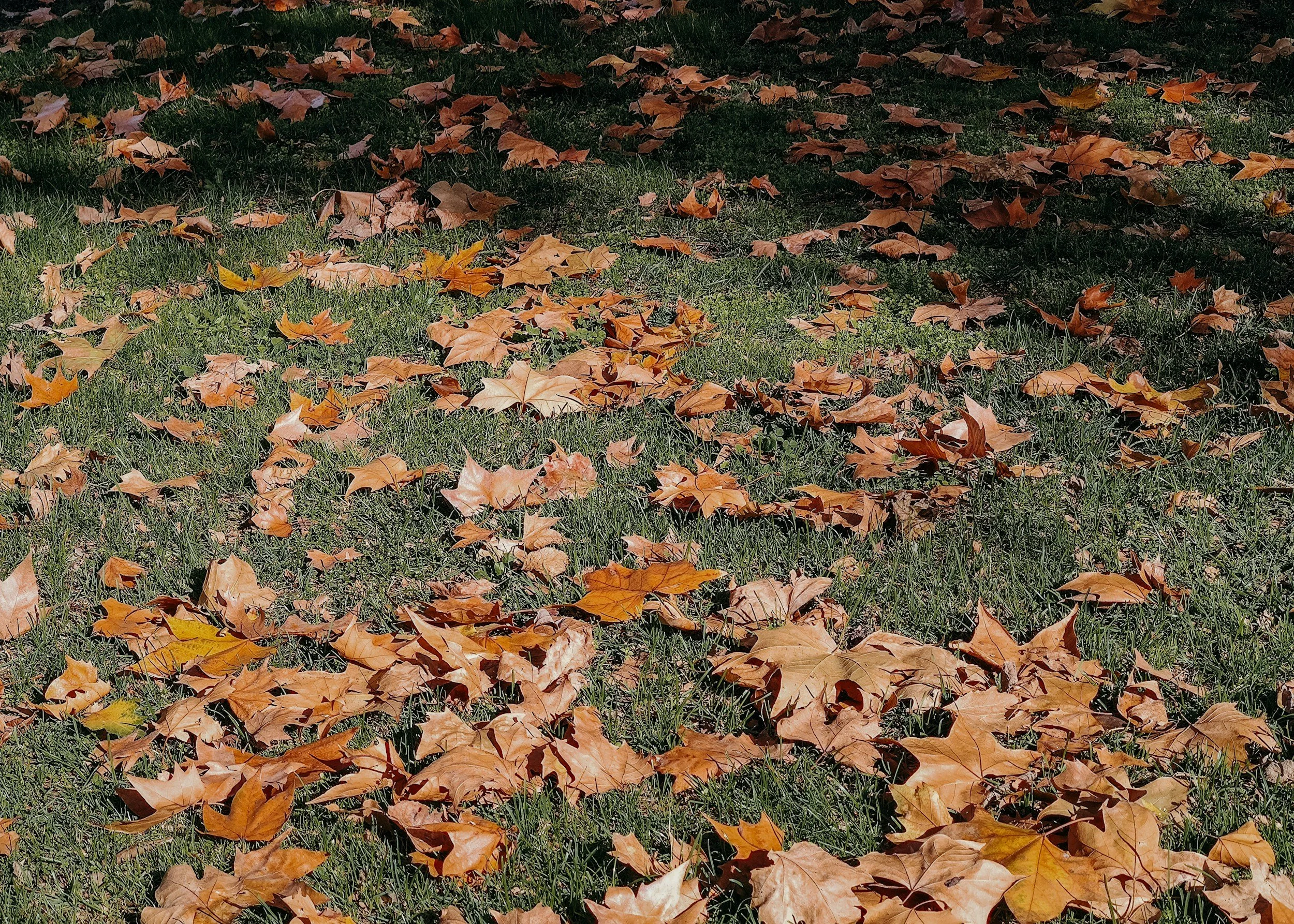
Leaf management involves more than removing leaves from visible turf areas. Heavy accumulation in planting beds, around building foundations, and across walkways can affect plant health, contribute to moisture buildup, obscure drainage features, and create slip hazards.
What to look for: Thick leaf layers in planting beds, leaves collecting around entrances and foundations, and debris accumulating along curbs and walkways.
A comprehensive leaf management plan accounts for the areas where leaves collect, not just the areas that are most visible.
5. Early Signs of Erosion
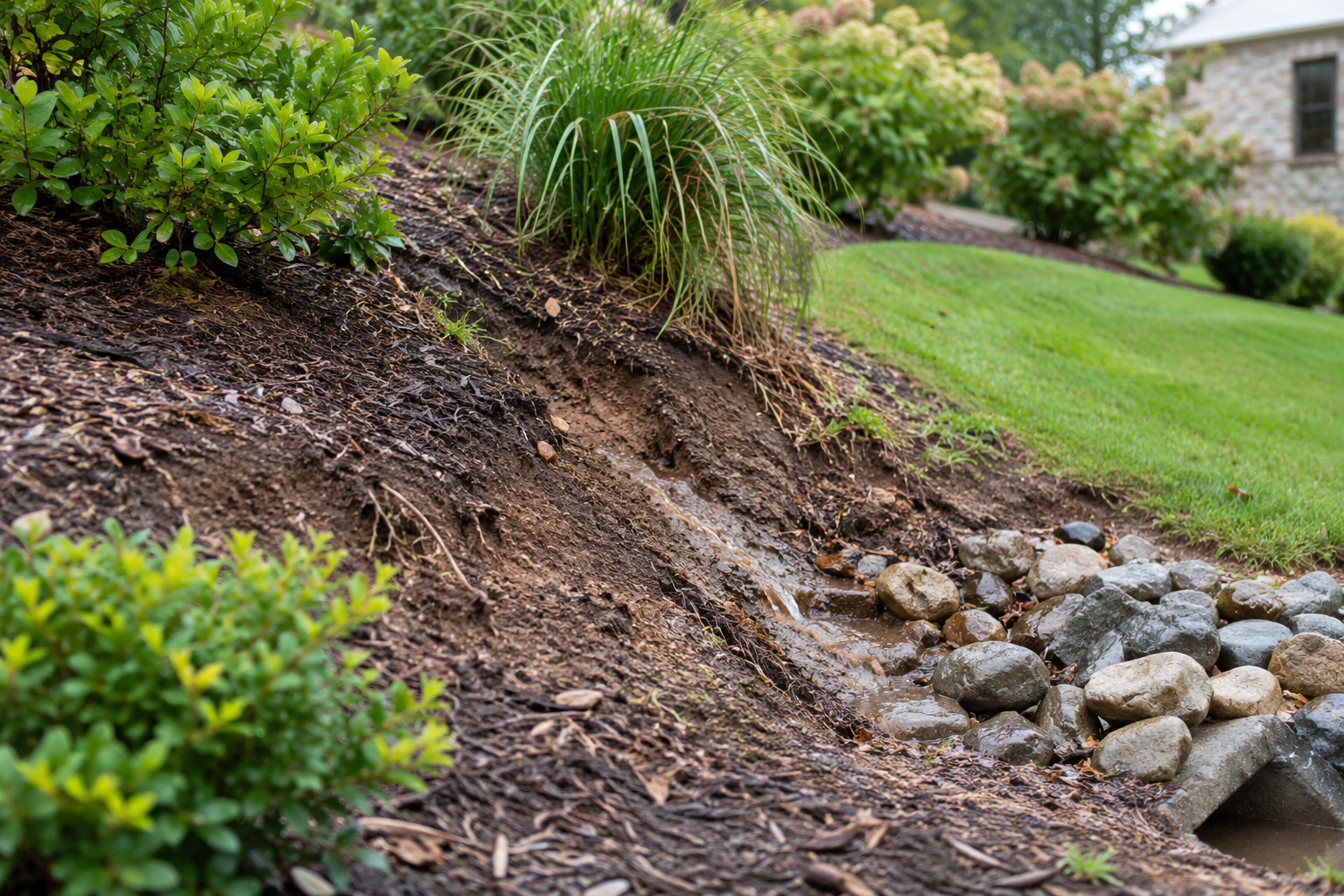
Seasonal rainfall and runoff can expose weaknesses in slopes, drainage channels, and other vulnerable areas. If left unaddressed, erosion can lead to soil loss, exposed roots, damaged planting areas, and additional maintenance needs.
What to look for: Exposed soil, small channels forming on slopes, displaced mulch, exposed roots, and sediment accumulating near drainage outlets.
Routine site inspections help identify these warning signs and determine whether corrective measures are needed.
A Proactive Approach to Property Maintenance
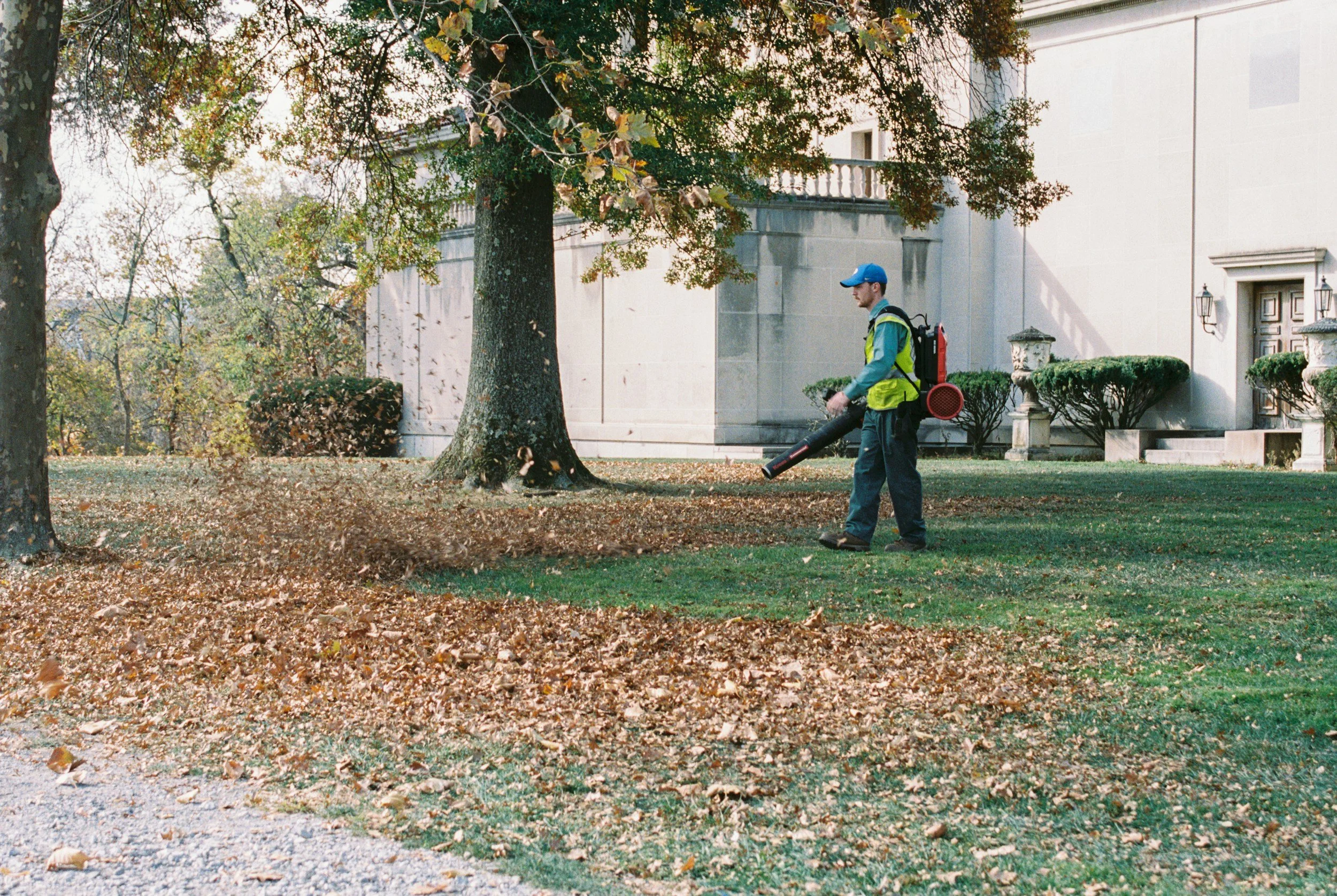
Effective landscape management goes beyond maintaining curb appeal. It requires attention to the details that affect safety, drainage, plant health, and the long-term condition of a property.
A proactive landscape management partner should identify potential concerns, communicate recommendations, and help property managers prioritize maintenance needs before they become larger issues.
As winter approaches, a thorough review of your property can help ensure that important maintenance needs aren't overlooked.
Is your property's landscape maintenance program addressing more than the basics? Chapel Valley Landscape Company works with property managers to maintain their landscapes, identify concerns, and plan for changing seasonal conditions.